



Romualdo Lucas breaks down the Master division: “There’s no easy path in Jiu-Jitsu anymore”
Veteran black belt highlights rising competitiveness and the impact of experienced athletes staying active in IBJJF events

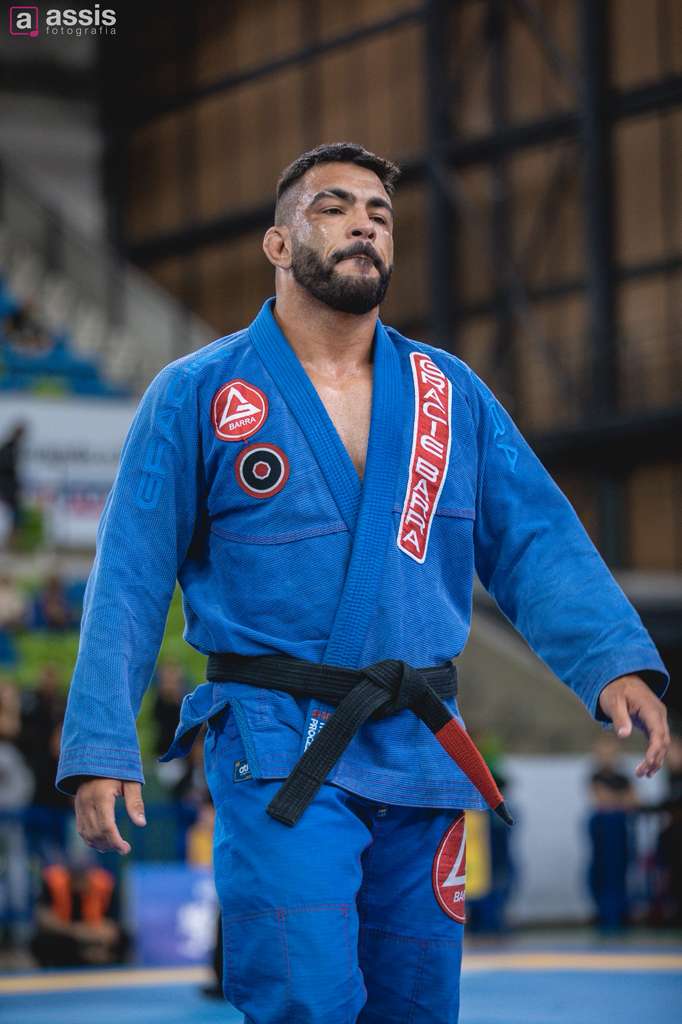
The growth of the master division in competitive Jiu-Jitsu is no longer a trend — it’s a reality. With a larger number of athletes and an increasingly high technical level, the category now holds a significant place in major IBJJF events. For Romualdo Lucas, a black belt with international experience, this evolution is directly tied to experienced athletes staying active in the sport.
“If we look at the numbers from the last Pan, the master division was much more relevant. It keeps proving to be just as interesting as the adult division,” he says. According to him, the presence of athletes who built their careers at the elite level raises the overall standard. “Many athletes who had strong runs in the adult division are still competing in master. There’s no easy match for anyone,” adds the black belt, who has 24 years in Jiu-Jitsu and nine as a black belt.
Myth or reality: is it easier to win in the master division?
The idea that the master division is easier still exists, but Romualdo quickly shuts it down.
“I don’t think there’s an easy path for anyone anymore. When you look at the brackets, many have already been world, Brazilian, or Pan champions. It’s just as tough as any other division — maybe even tougher. Matches are five minutes, and one mistake can decide everything,” says the professor.

Another factor that defines the division is the mix of different career stages competing against each other. According to Romualdo, that creates an unpredictable environment.
“You might face someone with over 10 years as a black belt. A newly promoted black belt will go against someone very experienced. There’s a chance for both, but whoever is coming up will have to work hard,” he explains.
Self-analysis and game awareness
Even with international experience, Romualdo keeps a critical view of his own preparation. He acknowledges there’s room to improve in strategic awareness.
“I need to be more disciplined in analyzing my opponents and studying my division. I trust my game regardless of who I face, but I end up studying their matches more than my own,” says the Gracie Barra representative.
Common mistakes among beginners
Looking at newer practitioners, Romualdo points out three common mistakes. The first is impatience.
“People want to learn everything too fast, they want answers for everything. Jiu-Jitsu takes time,” he says. “A lot of people get discouraged by difficulty, but that’s part of the process.”
Finally, he highlights comparison as a frequent issue. “Comparing yourself to your training partners is a mistake. Everyone has their own pace,” he states. For him, the path is simple: “Enjoy the process.”