



Tererê and “Jiu-Jitsu climbs the hill”: the favela crowd that changed the Worlds
Marcelo Alonso tells VF Comunica how a purple belt match brought a new crowd to the stands and became one of the covers he is proudest of

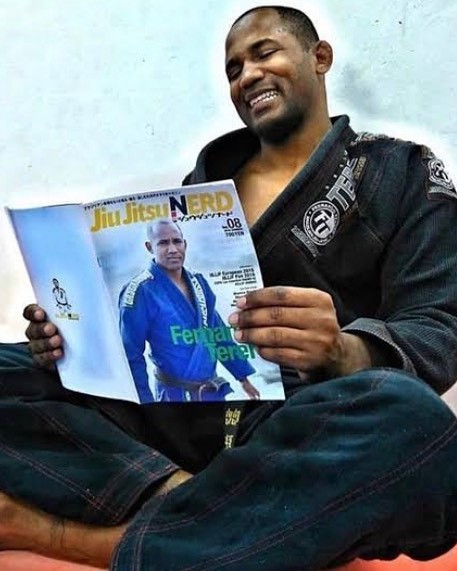
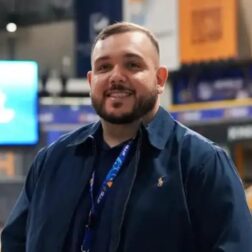
At the first Jiu-Jitsu World Championships, the stands at Tijuca Tênis Clube, in Rio de Janeiro, had a very clear profile. “The first Worlds still had an elite crowd, plus a few foreigners,” recalls journalist and photographer Marcelo Alonso, who covered those editions as editor of Tatame. The change, according to him, has a name: Fernando Tererê.
In an interview with Vitor Freitas for VF Comunica, Alonso pointed to the purple belt from Cantagalo, a favela in Rio, as the athlete who most shook up the scene he knew. The turning point was a match against American Ricco Rodriguez, a much bigger man. “He has that historic match with Ricco Rodriguez at purple belt. That’s the first time the favela comes down,” he said.
The roar of the favelas
Until then, the sound of the gym belonged to Carlson Gracie’s fans, with chants led by a supporter known as Sadã. Alonso describes what came next as something nobody had seen. “When Tererê arrives, something totally different comes with him, the roar of the favelas. You see those people from the favela in the stands, people who normally weren’t there,” he said.
The journalist realized there was a story bigger than one match result and pitched it to the newsroom.

Seven favelas and one cover
The story ran under the headline “Jiu-Jitsu climbs the hill” (in Rio, many favelas sit on the hills) and showed Tererê’s impact on the city’s poor communities. Alonso picked the fighter up in Cantagalo and went to other favelas to photograph people who had started training because of him. The main photo brought together, in front of Rocinha, people from several of them next to their idol. “I went to seven favelas,” he said.
The answer was the same everywhere. According to Alonso, the students in the social projects pointed to Tererê as their reference. “That’s one of the covers I’m proudest of,” he said.
For Vitor Freitas, the effect lasts to this day: every Jiu-Jitsu social project has a seed planted by Tererê, because before him no champion had come out of a favela. Alonso agreed. “Tererê is the seed that changed everything.”
Carlson came first
The journalist made a point of saying the door had already been opened by Carlson Gracie, who welcomed people who couldn’t pay into his academy, as long as they had potential. “What Carlson cared about was whether you had the potential to be a champion,” he said. Tererê, who would later become a black belt world champion, took that opening into the favelas and into the stands.
Full video on YouTube
The full interview with Marcelo Alonso is on the VF Comunica YouTube channel (in Portuguese).
Which athlete made you start Jiu-Jitsu? Leave your opinion in the comments.