



Royce vs. Wallid: behind the scenes of the match that drew 7,000 people to the Copacabana arena
Marcelo Alonso tells VF Comunica about that night in December 1998, the peace campaign that put Jiu-Jitsu on the program and what Carlson Gracie did after the submission

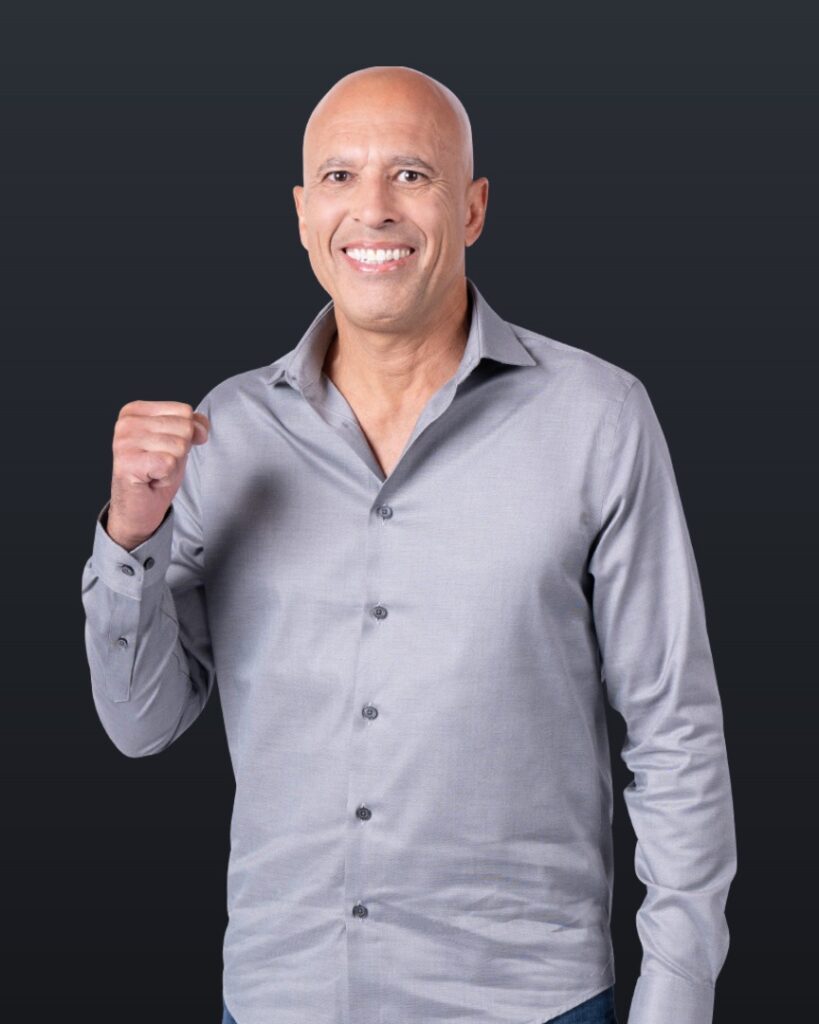
On December 17, 1998, Royce Gracie, the man who had introduced Jiu-Jitsu to the world in the UFC, walked into an arena set up in Copacabana, in Rio de Janeiro, to face Wallid Ismail, a student of Carlson Gracie. The match lasted less than five minutes. Wallid won with a clock choke at 4:53 and was all the fight world talked about the next day.
Journalist and photographer Marcelo Alonso was there for Tatame, and he told Vitor Freitas, for VF Comunica, what the footage of that night doesn’t show.
The official who took on the fight
Alonso makes a point of giving credit for the event to Zé Moraes, then a sports secretary in Rio, whom he describes as a Jiu-Jitsu guy who didn’t forget where he came from when he got into government. “It’s hard to measure how important that guy was for Jiu-Jitsu. He took on every fight,” he said.
The context could not have been worse. The Rio news linked the sport to street brawls by the so-called “pitboys,” young men who trained and got into fights around the city. “At that moment all people talked about was pitboys. It was seen as an evil art,” the journalist recalled. The arena would host boxing and other sports, and the secretary backed including Jiu-Jitsu on one condition: the fighters would walk in wearing the T-shirt of a peace campaign.

That is where a well-known photo of Royce and Wallid comes from, side by side, arms raised, before the match. For Alonso, the image is misleading. “It has nothing to do with the moment, or with the Wallid we know,” he said.
The only night with 7,000 people
The bet paid off. “Royce was already at a level where even the mainstream media knew who he was,” Alonso said. “They put on boxing, they put on everything. The only event that drew 7,000 people was Jiu-Jitsu.”
The night also had a match between TV actors, one of them Alexandre Frota, which part of the crowd booed. Sadã, a fan known for leading the chants for Carlson’s team, took the microphone and asked for respect. According to Alonso, his argument was that few people defended Jiu-Jitsu in public at that time, and those two had the courage to do it. The boos turned into applause.
No internet, only next month’s magazine
The result spread in a way that seems impossible today. “There was no internet yet. You would only find out in next month’s magazine,” Alonso recalled, or by landline, if you had a friend in the arena.
Tatame gave Wallid the cover with the headline “Wallid’s time,” a portrait shot in the journalist’s studio. Inside, the story opened with the winner’s line: “Now only Rickson is left.” That match never happened.
“To me it’s all family”
The scene Alonso likes to remember most came right after the submission. While Wallid’s teammates celebrated, Carlson crossed the mat in the opposite direction. “The first thing he does is go to Royce,” he said. According to the journalist, his hand gesture said he hadn’t wanted that.
In his first interview of the night, the master repeated the idea. “To me it’s all family. Wallid is my son, and everybody here is from the Gracie family, everybody does the same art,” Carlson said, in Alonso’s words.
The journalist uses the episode to answer people who take the rivalry between Carlson and his uncle, Hélio Gracie, out of context. The provocations were real, but he doesn’t see an actual divide in them. “It was all the same Jiu-Jitsu,” he said.
Full video on YouTube
The full interview with Marcelo Alonso is on the VF Comunica YouTube channel (in Portuguese).
Was Royce vs. Wallid the most important match in the history of Jiu-Jitsu in Brazil? Leave your opinion in the comments.