



Kade Ruotolo vs. Mica Galvão: are exclusive contracts blocking the rematch?
With the top names split between ONE, UFC BJJ, ADCC and Who’s Number One, the most requested matches in jiu-jitsu now depend on deals between organizations

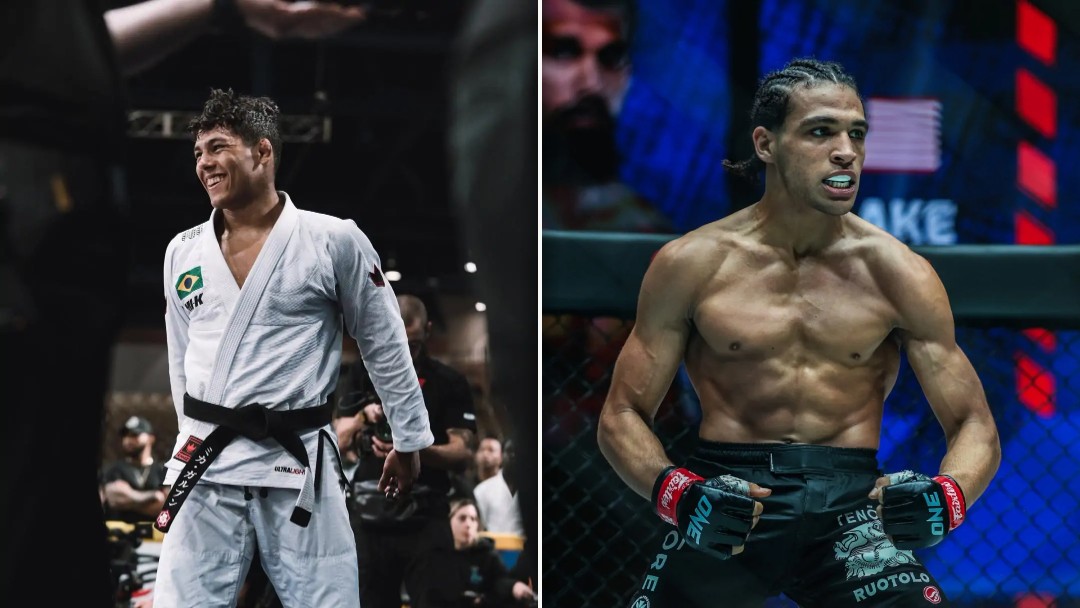
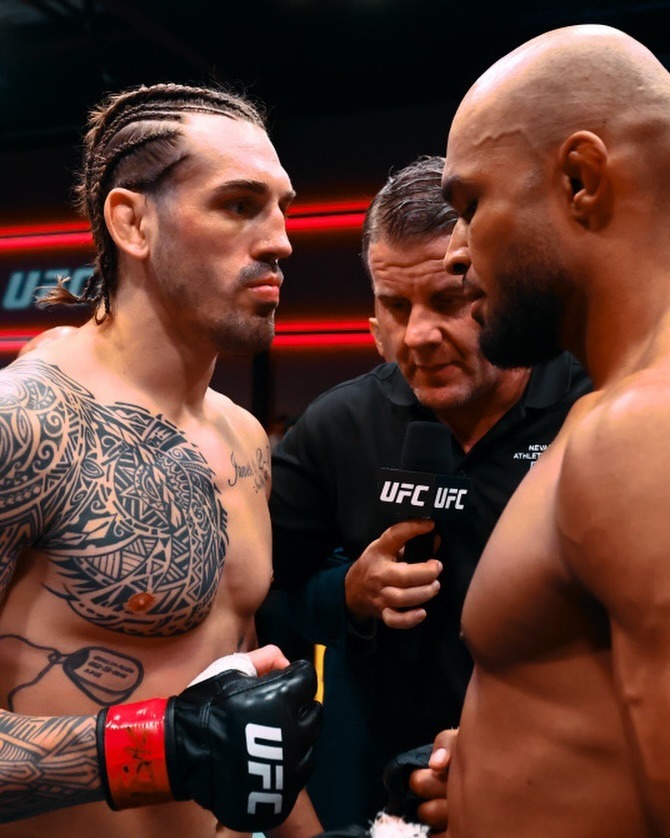
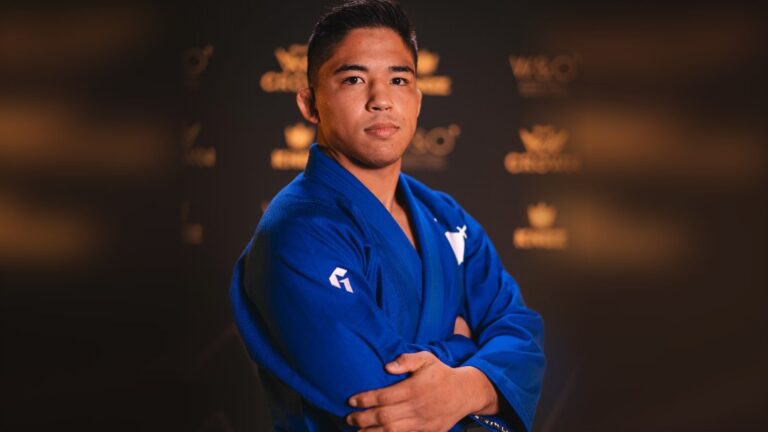
Kade Ruotolo and Mica Galvão met at ADCC 2022 in Las Vegas, and the American got the win. Four years later, the rematch is still one of the most requested matches in the sport, but the conversation around it has shifted. Before anyone argues about who would win, fans first need to figure out where and how the two could even meet.
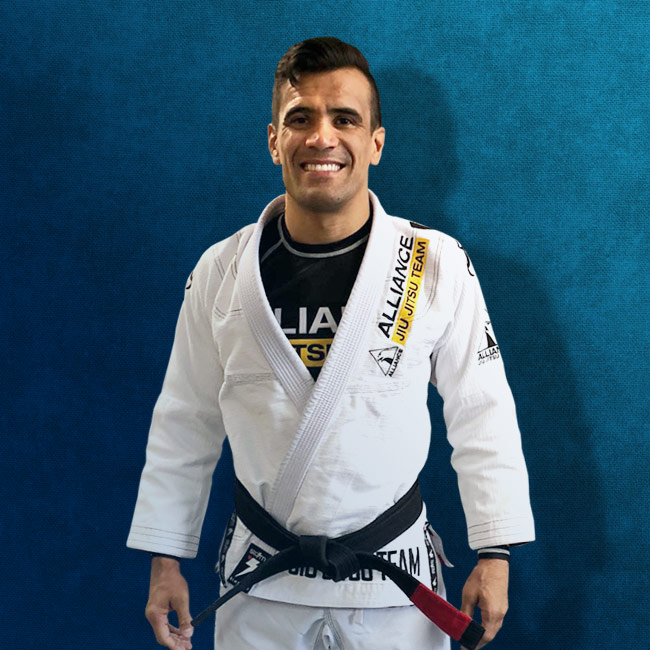
That is the starting point of the breakdown Vitor Freitas posted on the VF Comunica YouTube channel about exclusive contracts, a topic that is already shaping the schedules of the biggest no-gi organizations in the world.
The money arrived, and exclusivity came with it
For years, jiu-jitsu athletes competed for medals, exposure and a few hundred dollars. That has changed. ADCC, UFC BJJ, ONE Championship and Who’s Number One now offer contracts and prize money that let many black belts make a living from the sport. Along with the money came exclusivity clauses: each organization holds on to its champions, and matches between stars from different promotions no longer depend only on the athletes.
To show how big the issue is, Vitor compares it to a split World Cup, where Brazil plays in one tournament, Argentina in another, France is signed with a third organization, and no team can play the others. In the end, three teams lift three different trophies, and all of them call themselves the best in the world.

Three matches stuck behind contracts
Kade vs. Mica is the clearest example. Since ADCC 2022, the Brazilian has won almost everything there is to win in the gi, while Kade became a star in ONE Championship, where he also started his MMA career. The rematch might be even bigger today than the first meeting.
The same goes for Andrew Tackett, one of the most exciting names in the new American generation. Matches against Kade or Tye Ruotolo are exactly the kind of fights that define an era, but as top athletes spread across different organizations, those matchups start to depend on companies, negotiations and contract exceptions.
The most recent example involves Victor Hugo. He won ADCC 2026 with four wins, several by submission, and was announced by ONE shortly after. In the heavyweight division, the match everyone thinks of right away is against Nicholas Meregali, two giants with completely different styles. Before picturing a winner, fans need to know whether the match can happen at all, where it would take place and who would have to release whom.
The athletes are right to sign
In the video, Vitor defends the athletes who signed. After decades of competing for very little money, they are right to take the best offers available. ONE wants to keep its big names, UFC BJJ wants to build its own roster, and the other organizations are protecting their investments. The open question is how the sport will work once everyone is making real money.
The picture taking shape is four or five organizations, each with its own champion, all presenting one of the best grapplers on the planet. Being called the best in the world and getting the chance to beat the others who carry the same label are two very different things.
The boxing lesson
Boxing lived for decades with different promoters, networks, belts and contracts. Fans kept asking when two champions would finally fight and kept hearing next year, then the year after, until both fighters were past their prime or the fight simply never happened. For Vitor, jiu-jitsu needs to be careful not to copy one of the most frustrating parts of that sport.
A Champions League of grappling
The idea Vitor puts forward is a way for the organizations to talk to each other. Once a year, contracts would allow an exception: ONE would send its champions, UFC BJJ would do the same, and ADCC and Who’s Number One would bring the best athletes on their rosters, no matter the logo on their shirt or where they compete the rest of the season.
“For one night, the walls come down. Champion against champion, the best against the best,” Vitor sums up.
The irony, he says, is that for decades the biggest problem in professional jiu-jitsu was the lack of money. Now the next obstacle could be money keeping the best apart.
Watch the full breakdown (in Portuguese)
Should organizations open contract exceptions to make the biggest matches happen? Let us know in the comments.