



Why do world champions struggle at UFC BJJ? Vitor Shaolin, a referee at the event, explains
A world champion and one of the event’s referees, he tells VF Comunica that an athlete “locked into” the IBJJF rules takes time to adapt, and describes the profile the organization wants

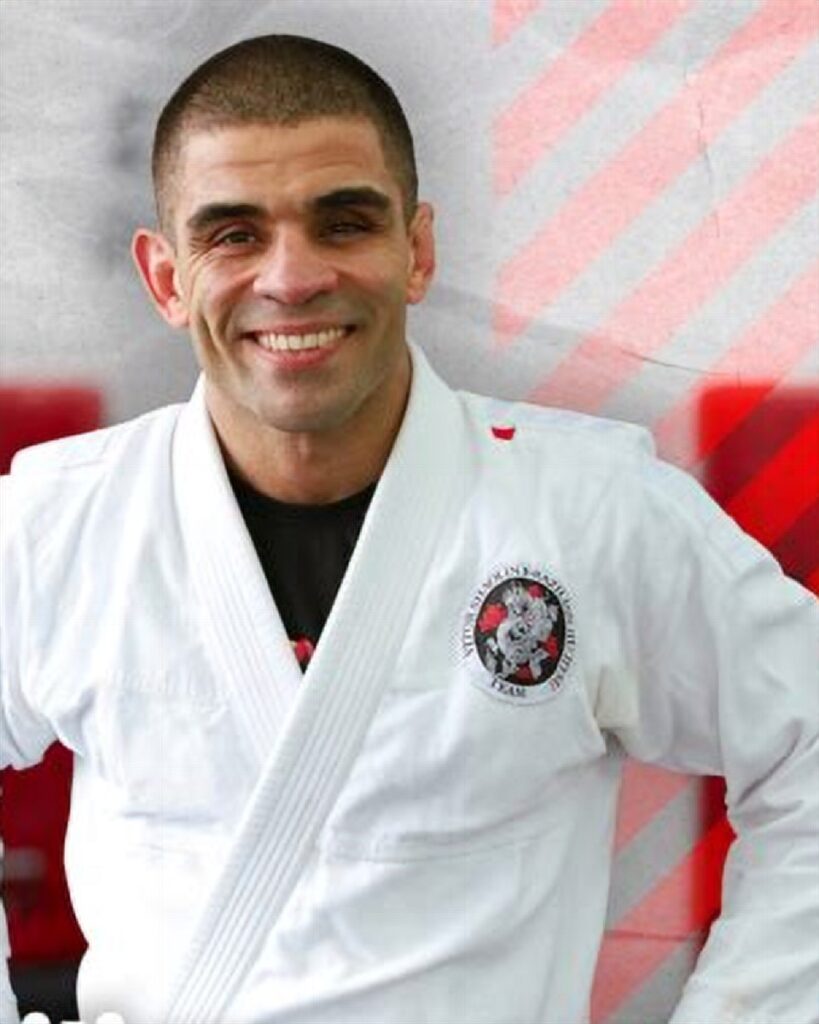
Being an IBJJF world champion doesn’t guarantee success at UFC BJJ. The event has already hosted holders of major gi titles who took a while to show the same level in the organization’s superfight format. Vitor “Shaolin” Ribeiro, a world champion and one of the tournament’s referees, has an explanation, and it has less to do with technique than with habit.
Shaolin talked about it with VF Comunica in June, at the New Jersey Open. Vitor Freitas’s question was direct: what has been making the difference for the people who compete there?
The “locked-in” athlete
The answer starts with a kind of competitor Shaolin knows well. “Some people are a little more locked into the IBJJF rules,” he said. The problem, according to him, is that specializing has a cost. “When you get good at this game here, it takes a while to get good at the other game.”
He describes the signs inside a match. It’s the guard pass that takes too long, the sweep that takes too long, the athlete who plays with the rules in his head, managing the score. In a format with short rounds, that works against him.

The profile UFC BJJ is looking for
On the other side is the competitor Shaolin calls “a little wilder.” “The guy who plays on top, on the bottom, the guy who isn’t too focused on points, the guy who goes for the finish. That kind of guy tends to have a really nice career at UFC BJJ,” he said.
He makes it clear that the title still counts, but it comes with a requirement. “They want the world champion, they do. But they want the world champion who looks for the fight, who looks for the challenge, who looks for the takedown, the aggressive guard pull,” he said.
“Cutting the umbilical cord”
For someone coming from years of success in the federations, adapting takes a break with the past. Shaolin used an image to explain it. “Some people who compete a lot here are so good here that it takes a while to cut the tie, to cut that umbilical cord,” he said.
As a referee, he shared the instruction he gets and passes on. “Our instruction is to make the match move a little faster,” he said. If the match stalls on the ground, the athletes go back to their feet.
Those who lose fighting come back
The most important point may be the last one. At UFC BJJ, according to Shaolin, the result isn’t the only criterion for being invited again. “The guy who manages not to be locked in, who cuts the umbilical cord from here and goes there and says, ‘Brother, I’m going to brawl.’ That guy, win or lose, comes back. He has a long life there,” he said.
The idea matches what other promoters have told VF Comunica. Fepa Lopes, president of BJJ Stars, uses similar criteria to choose who competes at his event.
Full video on YouTube
The conversation with Vitor Shaolin is in the New Jersey Open vlog on the VF Comunica YouTube channel (in Portuguese).
Which world champion has the ideal style for UFC BJJ? Leave your opinion in the comments.